When a property needs clearing, time is rarely on your side. A completion date might be looming, a tenancy could be ending, or you may simply want to stop paying bills on an empty house. Speed matters in house clearance, but only when it comes from good organisation rather than cutting corners. Here is why pace is important and how experienced teams manage it.
Why speed matters
A property waiting to be cleared often has costs attached. Utility bills, council tax, insurance and mortgage or rent payments may continue while it sits full of belongings. For landlords, every week a property cannot be let is a week of lost income. For sellers, a slow clearance can hold up viewings or put pressure on a completion date.
There is an emotional side, too. When a clearance follows a bereavement or a difficult life change, dragging the process out can prolong the stress for everyone involved.
Speed should never mean carelessness
A quick clearance is only useful if it is done properly. Rushing can lead to damaged walls and floors, personal items being thrown away by mistake, or waste being disposed of irresponsibly. The aim is efficiency: doing the right things in the right order so that no time is wasted.
How efficient teams work
Planning before arrival
The fastest clearances are usually decided before anyone arrives. A clear quote and an agreed brief mean the team knows what is going, what is staying and whether any areas, such as a loft or garage, need extra attention. That avoids stopping to ask questions throughout the day.
Clear roles on the day
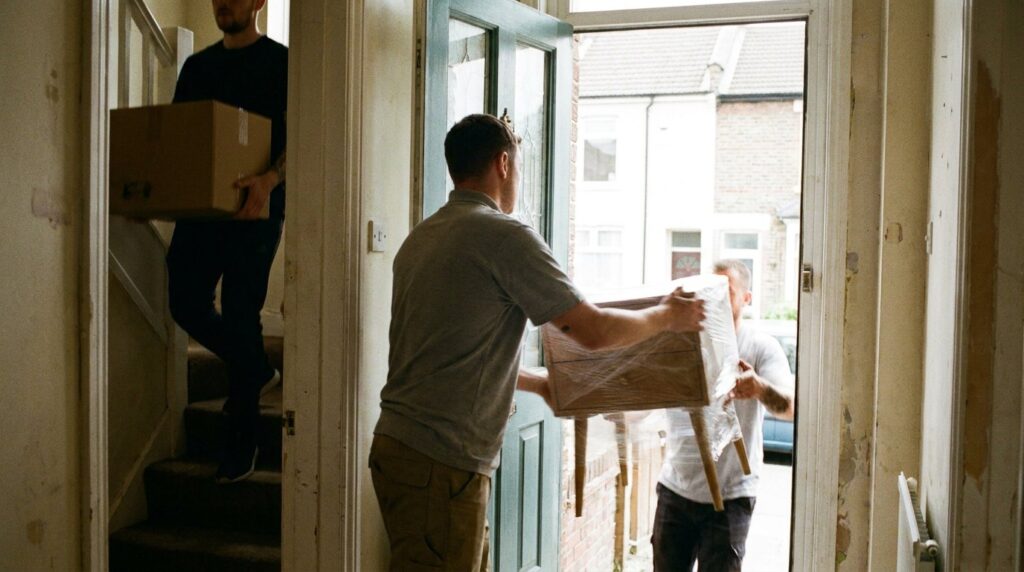
Experienced crews tend to divide responsibilities. Some people dismantle and carry furniture, others pack loose items, and someone manages loading so that vehicle space is used well. This prevents the bottlenecks that slow down most DIY efforts.
Sorting as they go
Rather than loading everything and sorting later, efficient teams separate items into reuse, recycling and disposal as they work. This saves time at the other end and supports responsible handling of waste.
The right equipment
Suitable vehicles, protective materials and tools for dismantling furniture all make a noticeable difference. A wardrobe that comes apart neatly is far quicker and safer to move than one carried whole down a narrow staircase.
What you can do to help
Homeowners can speed things up considerably with a little preparation:
- Remove or clearly mark anything you want to keep.
- Gather important documents and valuables before the team arrives.
- Check parking and access so the vehicle can get close to the door.
- Let the firm know in advance about stairs, lifts or tricky spaces.
Availability makes a difference
Sometimes the biggest delay is simply finding a firm that can fit you in at a suitable time. Companies with flexible availability can be particularly helpful when you are juggling work, travel or legal deadlines.
In Staffordshire, for example, 24/7 House Clearance is open 24 hours a day, seven days a week, and covers Cannock, Burntwood, Lichfield, Walsall and the surrounding area from its base in Norton Canes. People arranging house clearances in Cannock can request a free, no-obligation quote, choose a date, and have the team remove, sort and load items as agreed before sweeping the property clean. The firm also states that reusable items are prioritised for repurposing and that disposal is handled through authorised facilities, which shows that working efficiently and working responsibly can go hand in hand.
When comparing companies, ask how they plan the day and how they deal with items that cannot be reused. A confident, clear answer usually signals a well-organised operation.
The balance to aim for
The best clearance is one that is finished promptly, leaves the property in good condition and handles your belongings with respect. Fast and careful are not opposites; with the right planning, they support each other.
If time is pressing, focus on preparation and choose a team that can explain exactly how it works. With clear instructions and an organised crew, even a full house can be cleared efficiently, letting you move on to the next stage without unnecessary delay.