Not every move comes with months of warning. A completion date gets brought forward, a tenancy ends sooner than expected or a new job starts before you have had time to think. When the clock is running, the trick is not to do everything faster but to do the right things first and let the rest wait.
Book the removal before anything else
The single most time-sensitive task is securing a crew and a vehicle. Everything else on your list can be juggled, but if no one is available on the day you need, the whole plan falls apart. Ring around on the first day, give an honest description of how much you own and ask what dates are open. Be ready to explain access at both ends: parking, stairs, lifts and how far the vehicle can get to the front door.
In Chester, that conversation matters more than in many towns. Streets inside the city walls are narrow and parking is tightly controlled, so a remover who knows the area will want to plan around restrictions rather than discover them on the morning. Easy 2 Move, a Chester-based firm covering the city and surrounding Cheshire, say most of their moves are arranged with one to two weeks’ notice, and they check access, parking and stairs before moving day. If you are organising a house move in Chester on a tight timescale, asking for that assessment early saves a lot of last-minute scrambling.
Decide what is not coming with you
Packing time is the scarcest resource in a rushed move, so cut the volume before you start. Walk through each room with three piles in mind: take, donate and dispose. Be ruthless with spare bedding, old paperwork, duplicate kitchen gadgets and furniture that will not suit the new place. Every item you leave behind is one less box to fill, carry and unpack.
If there is too much to shift on your own, a clearance service can take away unwanted furniture before the main move. Some firms, Easy 2 Move among them, rehome usable pieces through local charities and dispose of the rest responsibly, which takes a weight off your mind as well as your floor space.
Consider handing over the packing
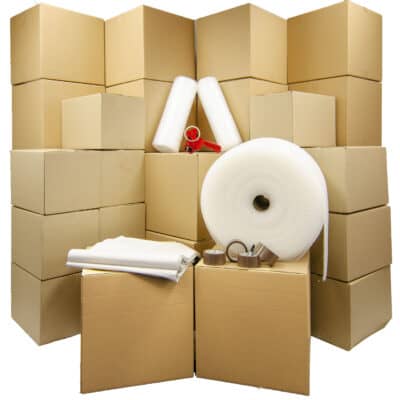
Full or partial packing is often the best value for money when time is short. Professional packers work through a house far quicker than most households can, and they know how to protect fragile items properly. A sensible middle route is to pack books, clothes and soft furnishings yourself and leave the kitchen, glassware and anything breakable to the crew.
Whoever does it, label boxes by room rather than by contents. On arrival, that simple habit means boxes go straight to the right place and you are not hunting through the hallway for the kettle.
Prioritise the admin that cannot slip
Some paperwork has hard deadlines, and missing them costs money or causes headaches later. Focus on these first:
- Confirm key collection times with your solicitor, agent or landlord.
- Arrange final meter readings and set up energy accounts at the new address.
- Book a broadband installation, as appointments can take a while to come through.
- Set up postal redirection so nothing important goes astray.
- Tell your bank, employer and GP surgery about the change of address.
Council tax, subscriptions and loyalty cards can wait until you have unpacked.
Have a plan if dates do not line up
Short-notice moves often come with a gap between leaving one home and getting the keys to the next. Rather than cramming furniture into a relative’s garage, look at secure storage that includes collection and redelivery. That way, everything is picked up on your moving-out day and brought back when the new property is ready, with no extra trips on your part.
Pack an essentials bag for each person
Finally, set aside one bag per person with clothes for a couple of days, chargers, medication, toiletries and important documents. Add a box for the first night with bedding, towels, a few mugs, tea, toilet roll and a basic toolkit. Keep these in the car rather than the removal vehicle, so they are with you whatever happens.
A quick move will never feel entirely relaxed, but it does not have to be chaotic. Secure the crew, reduce what you are taking, protect the fragile things and deal with the deadlines first. With those four in hand, the rest tends to fall into place, and you can settle into your new home without feeling you have left half of yourself behind.