Packing is usually treated as a single decision: either the removal crew does it or you do. In practice most homes do not fit neatly into one camp. A kitchen full of glassware asks something quite different from a spare room full of paperbacks, so it makes more sense to walk through the house and decide what each room really needs.
Start with an honest count of your time
Before thinking about boxes, look at the calendar. Packing an ordinary family home takes far longer than most people expect, largely because every cupboard prompts a small decision about what to keep. If you are working full time, looking after children or travelling between two addresses, the evenings available may be fewer than they appear. Write down the days you can truly give to the job, then decide how much of the work can fit into them.
Rooms that often justify professional packing
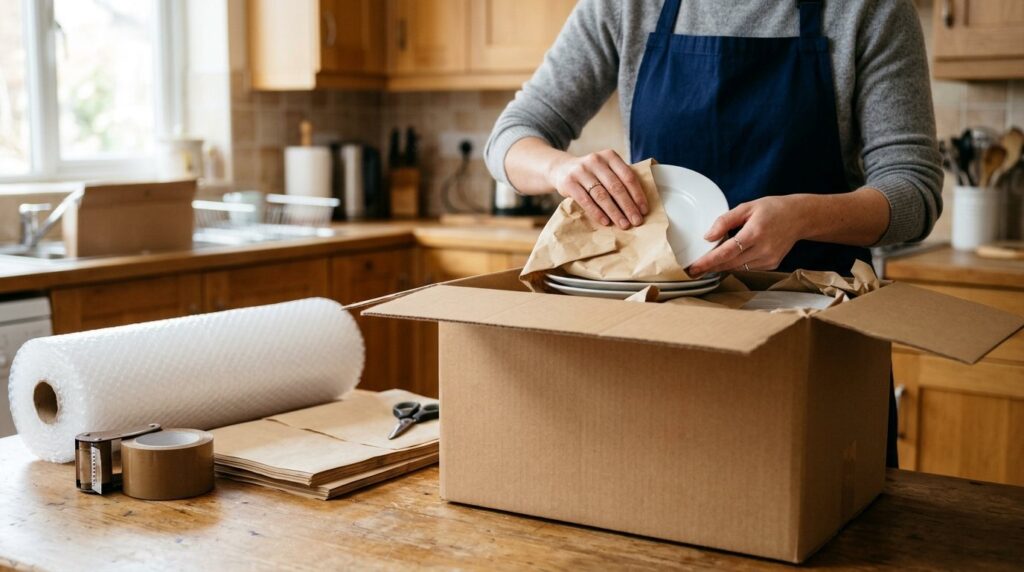
Some spaces reward experience more than others. Kitchens top the list, with their mix of heavy pans, fragile glasses and oddly shaped appliances. Display cabinets, mirrors and large framed pictures also benefit from trained hands, because the risk lies in how an item is wrapped and where it sits in the load.
Ask yourself two questions about each room:
- If something in here broke, would it be expensive or impossible to replace?
- Do I know how to protect it, or would I simply be guessing?
Where the answer to either points towards worry, that room is a good candidate for handing over.
Rooms you can comfortably tackle yourself
Books, bedding, clothes, toys and most of the contents of a garage are forgiving. They need sturdy boxes and sensible weight limits rather than specialist skill. Keep books in small cartons so that nobody is left lifting something unmanageable, and use soft furnishings to fill gaps. Packing these yourself also lets you sort as you go, which means fewer unwanted items travelling to the new house.
Personal papers, medication, jewellery and anything you would hate to see in a stranger’s hands should stay with you whichever option you choose. Pack those in a clearly marked bag and carry it in your own car.
What a part-pack arrangement looks like
A part pack is simply an agreed division of labour. You might box up the bedrooms and the loft, while the crew arrives a day ahead to deal with the kitchen, the dining room and the pictures. The key is to be precise. Agree in writing which rooms are yours and which are theirs, and be ready for the crew at the time you said, because a half-finished bedroom can hold up everyone else.
Remember that the packing you do yourself will still be carried by someone else. Tape the bottom of every box properly, avoid overfilling and label each one with its destination room as well as its contents. A note such as “bedroom two, winter clothes” saves a great deal of searching at the other end.
Seeing how the options are offered in practice
Removal firms package these choices in different ways, so it is worth asking exactly what each level covers. As one example, a Huddersfield removals company such as HD3 Removals lists full pack, part pack and self-pack options, supplying materials for those who would rather do the wrapping themselves. A family-run firm of that kind also offers free home and video surveys, which is a useful moment to go through the house together and settle who is packing what.
Wherever you are moving from, use the survey in the same way. Point out the rooms you are unsure about and ask how long the crew would need for each one. Their answer often makes the decision for you.
Materials matter whichever route you take
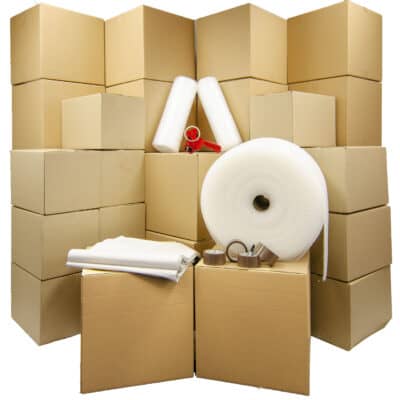
Supermarket boxes are tempting, but they vary in strength and rarely stack well. Double-walled cartons, proper packing paper and strong tape cost little compared with the items they protect. If you are going down the self-pack route, order more than you think you need, as running out on the last evening is an almost universal experience.
There is no single correct answer here. Take each room on its merits, be realistic about your time, and you will end up with a plan that protects what matters without paying for help you do not need.